
Online Accounting AEC Program in Quebec – CEGEP Heritage College | Heritage

Online Accounting AEC Program in Quebec – CEGEP Heritage College

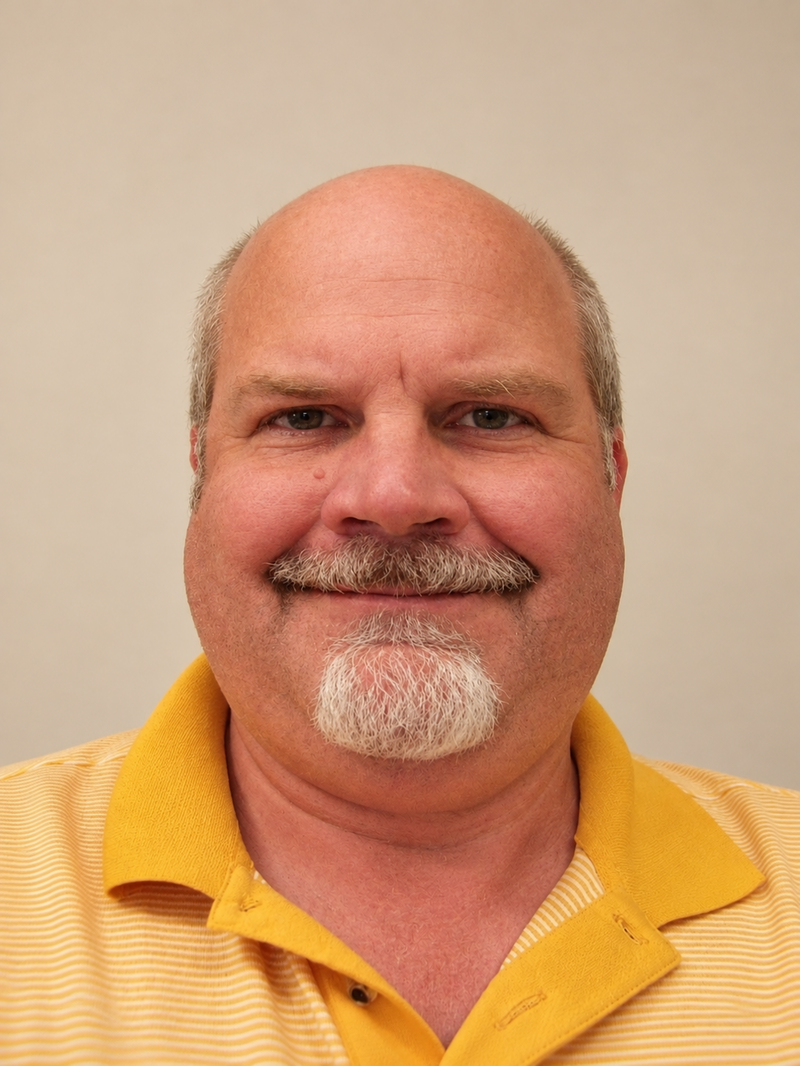
Meet Your Instructor: John and the AEC Experience

Ready to launch a rewarding career in accounting? Offered entirely online and available across Quebec, the Attestation d’études collégiales (AEC) in Accounting from CEGEP Heritage College is designed for adult learners looking to develop practical skills and build a career in accounting and financial administration. In just one year, you’ll gain the skills, confidence, and credentials you need to thrive in this field. Meet John, our instructor, and learn more about the program in this in-depth Q&A.
Learn how to apply

About the Teacher

  • John, can you tell us a bit about your background and how you got into accounting?
    • I have a Bachelor of Administration and I am a Certified Professional Accountant. I have 35 years of experience working with the federal and territorial governments in auditing, accounting, financial reporting and payroll. I also have nine years of experience working as a consultant, providing auditing, payroll and financial reporting services.
  • What inspired you to pursue a career working with numbers?
    • From an early age, I found that I enjoyed working with numbers and using calculations to answer questions. When I became a forensic auditor, I found it interesting to follow the numbers to determine whether individuals or organizations were involved in wrongdoing.
  • How long have you been teaching, and what brought you to CEGEP Heritage College?
    • I have been teaching since 1991, both in person and online, for two professional accounting associations and at other colleges. I attended Cegep after graduating from high school, and now I have returned to teach at the college.
  • Why did you decide to teach in the AEC program specifically?
    • I have learned a lot throughout my career, and this program provides me with an opportunity to share my knowledge with others so that, hopefully, they can build meaningful careers in the accounting field.
  • What do you love most about working with adult learners?
    • I enjoy working with adult learners because they are focused on achieving success in whichever course or program they have decided to pursue to improve their lives. Adult learners know what they want, and I can hopefully help them achieve their goals. They also challenge me because they want to understand how things work.
  • How do your real-world experiences shape the way you teach this program?
    • This diverse experience allows me to explain concepts using real-life examples while demonstrating some of the expectations of the work environments they may be entering.
  • What’s the most rewarding part of your job as a teacher in this field?
    • I enjoy seeing learners succeed in their studies and find employment. I also appreciate receiving emails from former students who let me know about their achievements.
  • Is there a success story or moment with a student that really stayed with you?
    • I once had a student who was struggling to express themselves well enough to pass the final exams. They knew the material but had difficulty providing enough information to demonstrate their understanding. I challenged the student to explain everything, including their decisions and the reasons behind their recommendations. Continued practice, along with what I hope was helpful encouragement, resulted in the student passing a difficult exam on the first attempt.
  • What do you hope every graduate takes away from your class, beyond just the diploma?
    • I hope every graduate comes away with an appreciation that working in accounting can offer many different and interesting experiences. They will also have the opportunity to work with a variety of interesting people who can offer different perspectives and experiences.

Career & Purpose

  • What kinds of jobs are graduates prepared for after completing this AEC?
    • This program introduces learners to key concepts that can prepare them for careers in bookkeeping, payroll, financial analysis, financial reporting or auditing.
  • What kind of salary range can new grads expect in their first role?
    • New graduates in Ottawa can expect to earn between $51,000 and $58,000.
  • Are employers looking for exactly this kind of applied training when they hire?
    • Yes. Landing a first position can be challenging for candidates who lack practical software skills and the hands-on knowledge developed through this type of training.

About the Program

  • Can you walk us through what students learn in the program?
    • Students learn the fundamentals of accounting, including how to maintain financial records, record transactions, reconcile accounts, prepare financial statements and manage payroll. They also develop skills in bookkeeping, taxation, financial administration and the use of accounting software. The program covers the practical tasks and knowledge needed to support the financial operations of an organization.
  • Is the training mostly theoretical, or do students get hands-on experience as well?
    • The program combines theoretical knowledge with practical, hands-on training. Students apply what they learn through exercises and practical activities that reflect real workplace situations. They develop experience working with financial records, processing transactions, preparing payroll and using accounting software.
  • How is the program structured over the one-year period?
    • The program is completed over 1,200 hours of training. I guide learners through the different accounting concepts and practical skills they need to develop throughout the program. Classes are delivered entirely online, allowing me to interact with learners and provide support as they progress through their studies.
  • Do applicants need to have any previous background in accounting or mathematics?
    • Applicants do not need a background in accounting or mathematics. However, having an eye for detail is an asset.

Student Experience

  • How do you support adult learners who might be returning to school after a long time?
    • I understand that returning to school as an adult can be challenging, especially when learners have been away from a classroom for many years. I try to create a supportive learning environment where students feel comfortable asking questions and taking the time they need to understand the material. I also use practical examples to help connect what they are learning to real workplace situations.
  • What’s one thing students are often surprised to learn or experience during the program?
    • I think students may be surprised by how many different areas are involved in accounting. It is not just about working with numbers. Accounting also involves problem-solving, communication, attention to detail and understanding how an organization operates financially. There are many different tasks and responsibilities involved in the field.
  • What kind of classroom or learning environment can students expect?
    • Students can expect an interactive learning environment where they are encouraged to ask questions and participate. Since the program is delivered online, I make an effort to keep learners engaged and provide opportunities to discuss concepts and work through practical examples. My goal is to make sure students understand not only what they are doing, but also why they are doing it.

After Graduation

  • What kinds of jobs do graduates typically get after completing the program?
    • Graduates can pursue different positions in accounting and financial administration. These may include bookkeeping, payroll administration, accounting technician, accounts payable and receivable clerk, and financial assistant positions. The skills developed in the program can also provide a foundation for further professional development in the accounting field.
  • How quickly do most students find work after graduation? 
    • It can vary depending on the individual, but I think it is important for students to understand that there are many employment opportunities beyond the federal government. In the Gatineau-Ottawa region, many small businesses need people with bookkeeping skills to maintain their financial records and organize their accounts before sending everything to their accountants for year-end review. Accounting firms also need employees with these skills to collect, organize and prepare financial information before it is reviewed by CPAs. These are just a couple of examples of the opportunities available to graduates with practical accounting and bookkeeping skills.
  • What are employers looking for in accounting graduates today?
    • Employers are looking for candidates who have practical accounting knowledge, good software skills and an understanding of financial processes. Attention to detail, problem-solving, communication and the ability to work independently are also important qualities. Having hands-on experience and being able to apply what you have learned in a workplace setting can be a real advantage.

Practical Guidance

  • For someone unsure if this program is right for them, what advice would you give?
    • I would encourage anyone interested in working with numbers, solving problems and understanding how businesses manage their finances to consider this program. You do not need previous experience in accounting to get started. What matters is having an interest in learning, being willing to put in the effort and developing the skills needed to succeed.
  • Why should someone choose this ACS at CEGEP Heritage College over other training options?
    • This program offers learners the opportunity to develop practical accounting skills and earn an Attestation of College Studies in just one year. It is delivered entirely online, which makes it accessible to learners throughout Quebec. The combination of accounting instruction, practical exercises and a workplace internship helps prepare students for the responsibilities they may encounter in the workplace.
  • What’s one message you’d like to share with anyone thinking about applying?
    • If you are considering a career in accounting, I encourage you to take the next step. This program provides an opportunity to learn a new profession, develop practical skills and work toward a meaningful career. It takes commitment and effort, but the knowledge and experience you gain can open the door to many opportunities.

Ready for your next step?